Novocure / Optune | Connecting Innovation to a Life Empowered
Optune was a portable device that delivered Tumor Treating Fields as a treatment for glioblastoma. Its technical story carried deeply personal decisions for patients and families. In early 2015, Novocure faced a key moment. The team had to get ready for a possible FDA milestone and help patients, caregivers, clinicians, and the public understand both the technology and how it could fit into everyday life with cancer.
I led creative planning for Edelman’s U.S. communications proposal, working closely with colleagues from oncology, science, media, digital, and account teams. I helped align the creative brief and develop concepts with that cross-disciplinary team. Social listening brought patient and caregiver perspectives into the planning, including their need for information, connection, and meaningful time. My job was to keep that human context central and make a complex innovation feel more approachable.
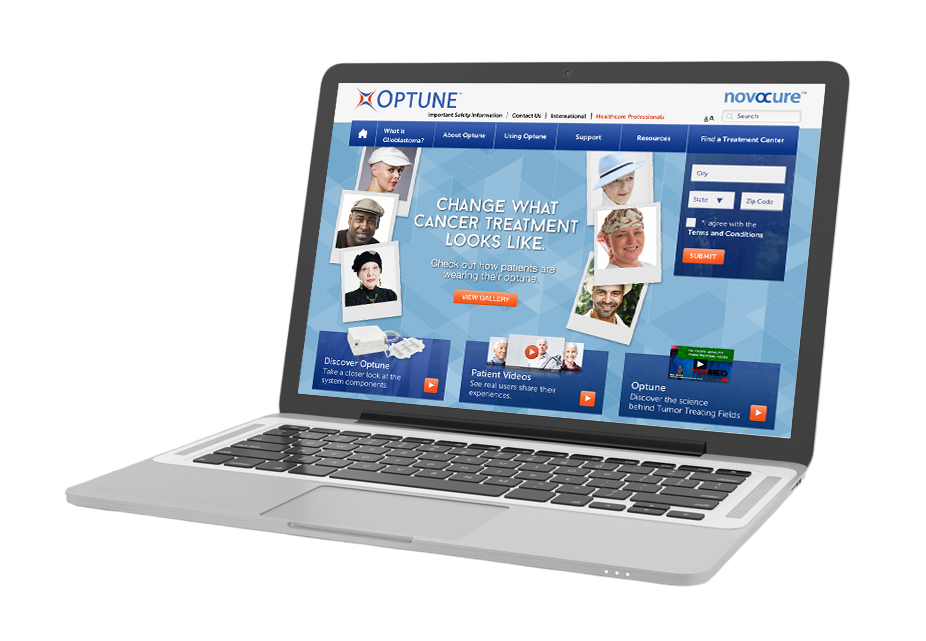
Understand what people are trying to preserve.
During planning, I focused on priorities expressed in patient and caregiver conversations: information, connection, and ways to keep living their lives during treatment. Social listening showed how personal these journeys are. People shared their stories in blogs, hoping to help others. Their conversations included humor, determination, uncertainty, and the daily challenges of care.
That understanding guided my creative planning. I focused on identity, relationships, and the importance of meaningful time. The proposal connected the person using the device, their family, and the science behind it. Both the emotional and practical sides needed to come together, so patients and caregivers could see themselves in the story.
Bring the scientific and human stories together.
Edelman’s Living Brand framework helped us bring together the social, emotional, and logical parts of the story. For Optune, this meant connecting the public’s interest in real innovation with patients’ desire to live on their own terms, while showing what made the technology unique and relevant to them.
I helped develop the creative expression around “A Life Empowered,” working with colleagues on brainstorming and upfront development. I refined the messaging to connect our strategic goals with the needs of patients and caregivers. The platform gave us clear direction for awareness, education, patient stories, and connection. It also gave specialist teams a shared human purpose to guide their work.


Make awareness participatory.
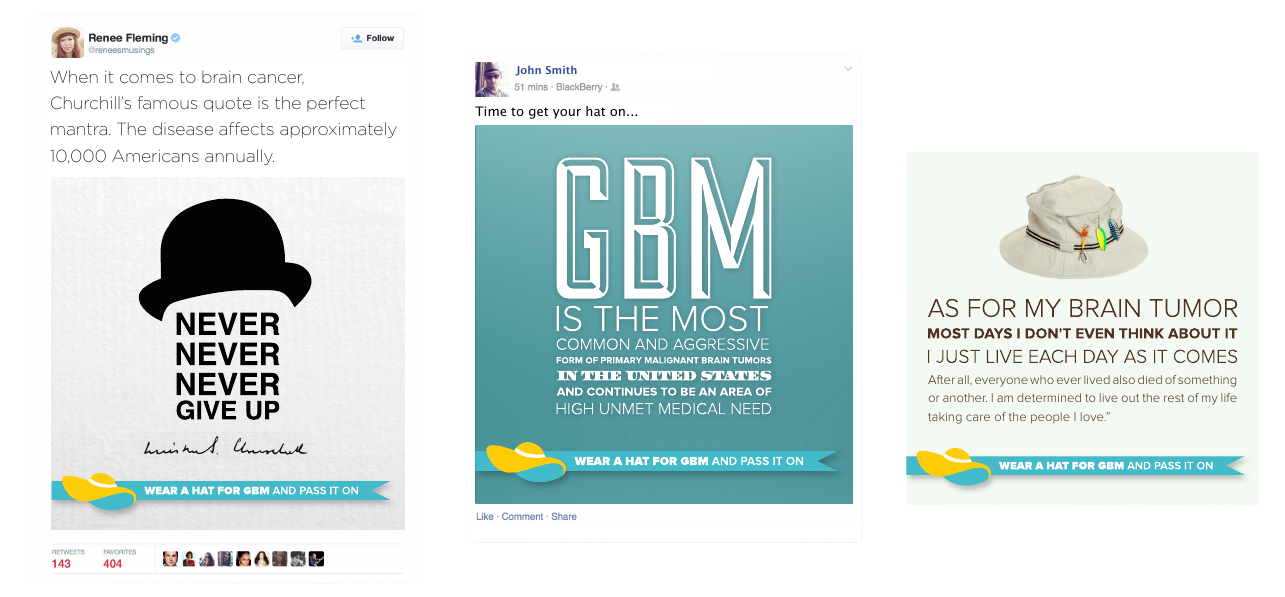
The “Wear a Hat for GBM” concept gave the program a simple participation idea, designed for events, social media, advocacy, and the press. A hat could become a visible symbol, allowing patients to express themselves and encouraging a broader conversation about brain cancer.
We explored how this idea could become an annual event, supported by shareable images, patient stories, and partner involvement. The goal was to give patients, caregivers, and others an easy way to participate and then connect them to helpful information about the condition and treatment options.
Make the science easier to enter.
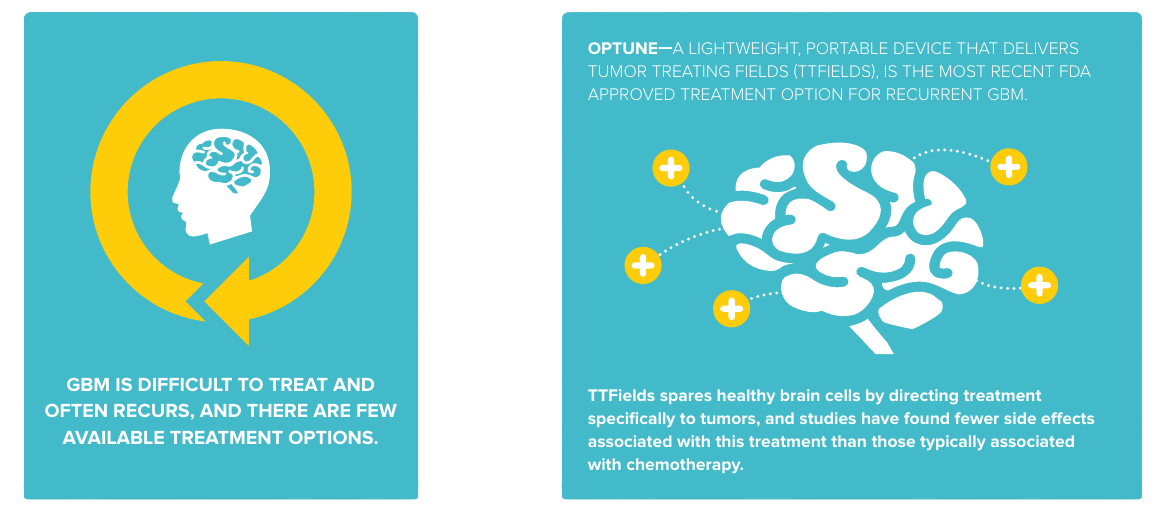
Another part of the proposal aimed to make the science easier to understand. We considered web videos with a patient, a doctor, and a science character to explain how the treatment works. Infographic concepts translated complex information into visual explanations that could support that education.
The channel strategy connected these educational pieces to our own content, media outreach, social sharing, and work with healthcare professionals. Each format had a purpose: to introduce the idea, explain it, or start a deeper conversation. The creative work gave specialists a starting point, with the right medical context and the audience’s needs in mind.
Let stories create continuing connection.
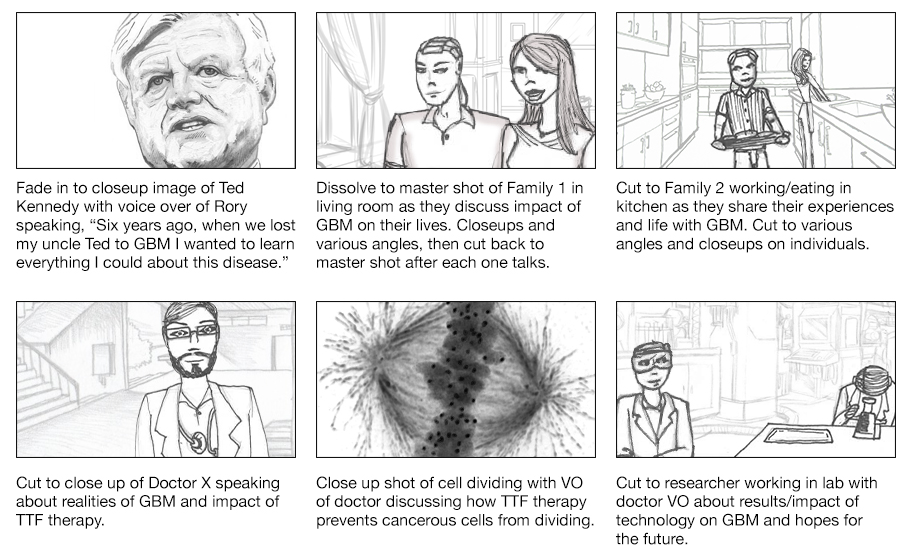
We suggested “Inventing Hope” as a documentary series to connect patient experiences with the people behind the science. The plan included working with a filmmaker, making a trailer, hosting a premiere, organizing screenings, and sharing content throughout the year. One powerful story could open many doors for discovery and conversation among patients, caregivers, and the wider audience.
The digital ideas built on that connection through a proposed content hub for patients and caregivers, offering stories, educational resources, and ways to connect. Advocacy groups and healthcare professionals each had a role in the proposed system. This approach linked storytelling to continuing support for the people we wanted to reach.
Design the sequence as carefully as the message.
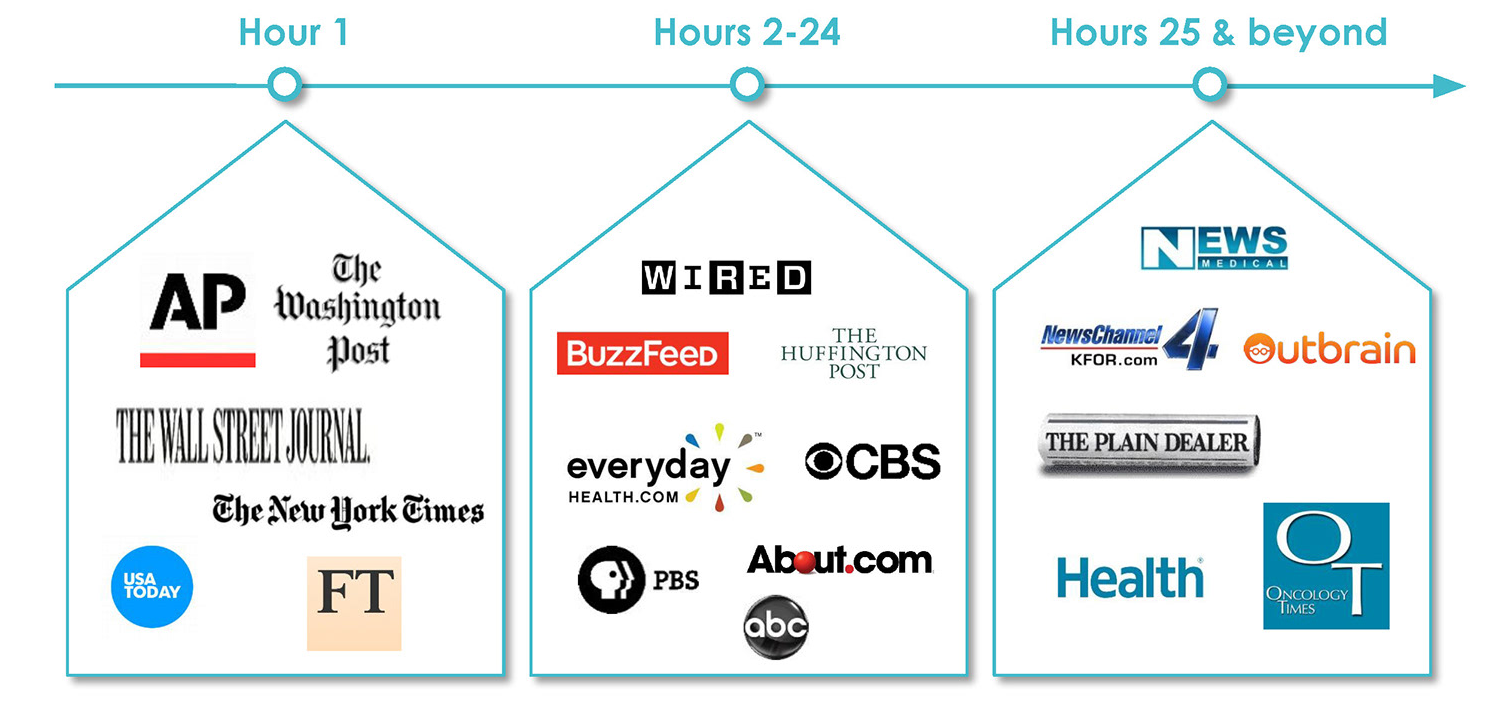
For the FDA milestone, we planned communications in stages: the first hour, the next 24 hours, and the time after that. The team could prepare for each step, from the first announcement to a broader explanation and ongoing engagement. This structure linked a single news moment to the longer effort of helping people understand its meaning.
The proposed measurement plan distinguished communication outputs, media and peer conversations, opinion changes, and behavior changes. It outlined how the team could assess the response to the program. My creative planning turned patient priorities and the idea of “A Life Empowered” into concepts for public participation, science education, and patient storytelling. The proposal gave the team a shared creative structure for the U.S. program, with a clear human direction and distinct roles that specialists could develop in their own channels.

Role and collaboration
- Creative planning
- JT Anderson · Edelman
- Digital strategy
- Kara Taylor
- Strategy and planning
- Jani Westcott
- Healthcare, science, media, and client collaboration
- Edelman and Novocure teams