VP, Executive Creative Director · Enlighten
OhioHealth
Connecting the healthcare brand to the decisions people need to make
A healthcare system only becomes truly useful when its services, locations, and clinicians connect in ways that feel natural to the people who rely on them. At Enlighten, I took on the challenge of weaving together digital branding, experience design, and content strategy for OhioHealth. My focus was to build a shared structure that made these connections visible and practical, so patients could find the care they needed without friction. That focus gave our partners a common way to specify care information and connect it to page requirements and reusable templates.
Start with the decision a patient is trying to make.
People come to a healthcare website with a purpose. They are looking for a type of care, a doctor they can trust, or a location that fits their lives. The brand sets the tone for trust, but it’s the content that turns that trust into answers people can act on.
OhioHealth’s digital experience needed to bring together service lines, care sites, and physician information as part of a larger whole. My goal was to connect the brand’s promise to the real choices people face. We built a framework around those decisions: what care was available, where it was offered, and which people delivered it.

Make the relationship between care and place visible.
A service-line page and a hospital page are two different ways into the same care system. Someone interested in heart and vascular care needs to see both the service and where to get it. Someone starting with a hospital wants to know what care is offered there. The content model needed to support both options.
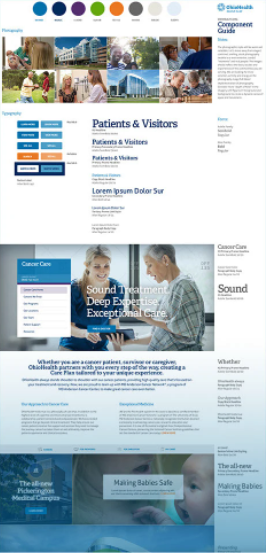
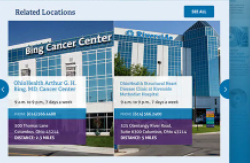
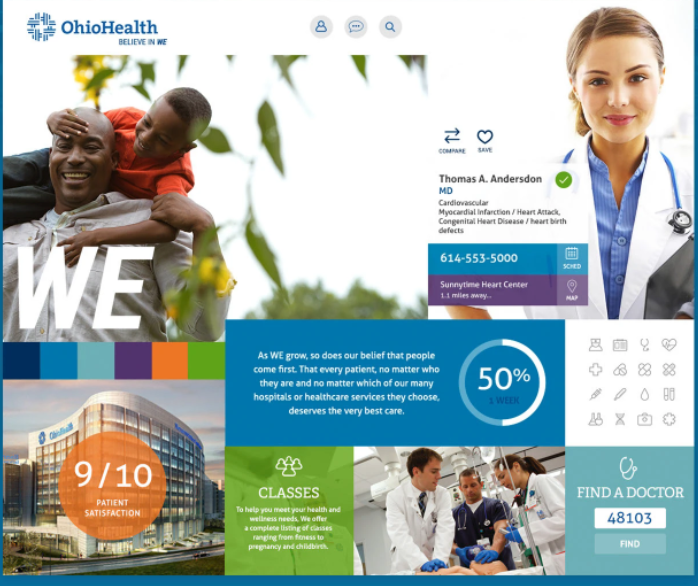
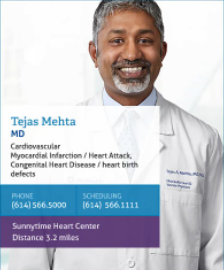
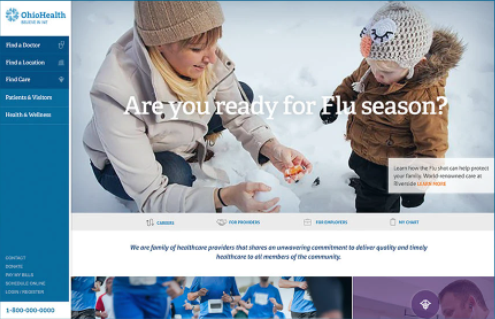
We made these relationships central to the site’s structure. The shared framework defined how to present service-line and care-site content consistently, grouping the right messages and details together. Adding physician information completed the picture. The design studies brought those relationships into view through care navigation, physician cards, and hospital cards, all carrying the OhioHealth identity.

Give the team a clear commitment to build against.
The scope discussion made the scale of the system concrete. Doner asked whether the matrix would cover every service line and care center. Ami identified 29 service lines and proposed mapping six to eight primary attributes for each. I led the scope clarification, asking the team to put the distinction between creating the content structure and writing individual service-line copy into the document. That clarification went into the version we sent back, giving Doner an explicit definition of the work.
The partnership with Doner also needed a clear sequence for delivery. The Heart and Vascular plan tied content inventory, analytics review, audience scenarios, and strategy to sitemaps, wireframes, and a page inventory. It assigned responsibilities to Doner and Enlighten and placed client reviews between the stages. The plan gave the team a progression from audience and business understanding to the requirements for the experience.

Translate the content framework into a reusable system.
The structure also had to work for the people running the site. OhioHealth used Ektron, so the content plan linked consistent presentation to a set of reusable templates. A common page approach could support the brand and still meet the unique needs of different service lines and care sites. That connected the messaging framework to the template requirements: which elements could be shared, which details needed to vary, and how people would maintain them in Ektron.
The engagement continued through interaction design and maintenance, with later planning extending to the Cancer Center site. Engineering also played a role in the partnership: Peter Ferraro helped manage and grow the OhioHealth account. That delivery context mattered. Brand and content requirements had to serve the people designing, managing, and maintaining the experience.
Create a foundation for the next part of the system.
The work established a practical content and delivery framework. It connected core brand messages to service-line attributes, linked care to the locations and clinicians providing it, and defined how a common page structure could accommodate those differences. For OhioHealth and its agency partners, the result was a shared basis for specifying content and Ektron templates. A new service line or care site could be mapped against the same questions about messages, attributes, and relationships.
My job was to connect these decisions and set a realistic scope for what came next. The patient’s question, the brand promise, the service-line needs, and the publishing system all had to work together. This is still how I lead experience work: make relationships clear enough for people to use and for teams to keep building. This project showed the value of bringing different stakeholders together and balancing consistency with flexibility. It reinforced that leading in complex situations means setting direction, helping teams work together, navigating uncertainty, and building systems that last.
Role and collaboration
- Digital brand, experience strategy, and shared content-model leadership
- JT Anderson · Enlighten
- Content, interaction design and delivery
- Ami Walsh, Krysta Stone and the Enlighten team
- Account and engineering collaboration
- Pete Spender, Peter Ferraro and the Enlighten team
- Agency and client collaboration
- Doner and OhioHealth
A closer look at the design