The Henry Ford | Turning a Collection into a Content Engine
Product and content strategy for discovery, learning, and a connected museum experience
The Henry Ford wanted to make its collections and stories of American innovation available to everyone, both in person and online. As the product and content strategy lead at Enlighten, I helped bring together museum, archival, and educational content into one connected system. The main challenge was helping learners, educators, and families move easily between the physical museum and its digital side, so their curiosity could guide them deeper into the collections.
I focused on building a structure that made the experience work. This meant figuring out which content mattered to each audience, how people would find it, where it could be reused, and how the organization could keep it going over time. A collection becomes more valuable when people can make their own connections, so the strategy needed to make those connections real and useful.
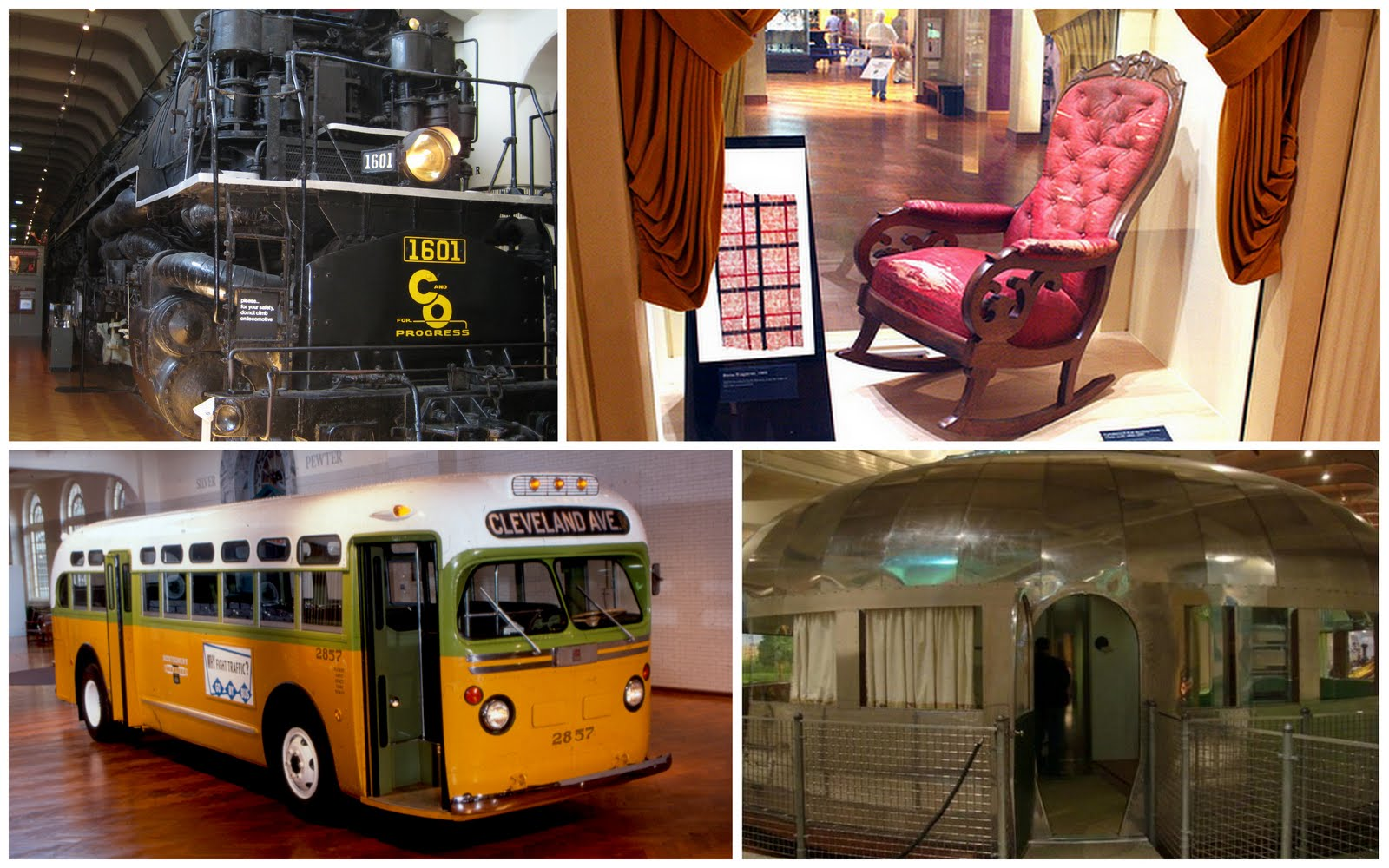
Make the collections a destination in their own right.
The Henry Ford includes the museum, Greenfield Village, the factory tour, film experiences, and a large archive. Each part is unique, but together they tell a bigger story about innovation and the American experience. The digital strategy had to show this full value and give each attraction a clear role in the story.
I treated the collections as digital destinations, each with its own purpose. People might come to plan a visit, research an artifact, or just explore an idea from home. The system needed to support all these goals and help people move easily between them.
The plan brought together three main areas: attraction information and purchasing, the experience before, during, and after a visit, and the Digital Archive of American Innovation. Each channel had its own job, which helped connect content decisions to business needs and the museum’s mission.
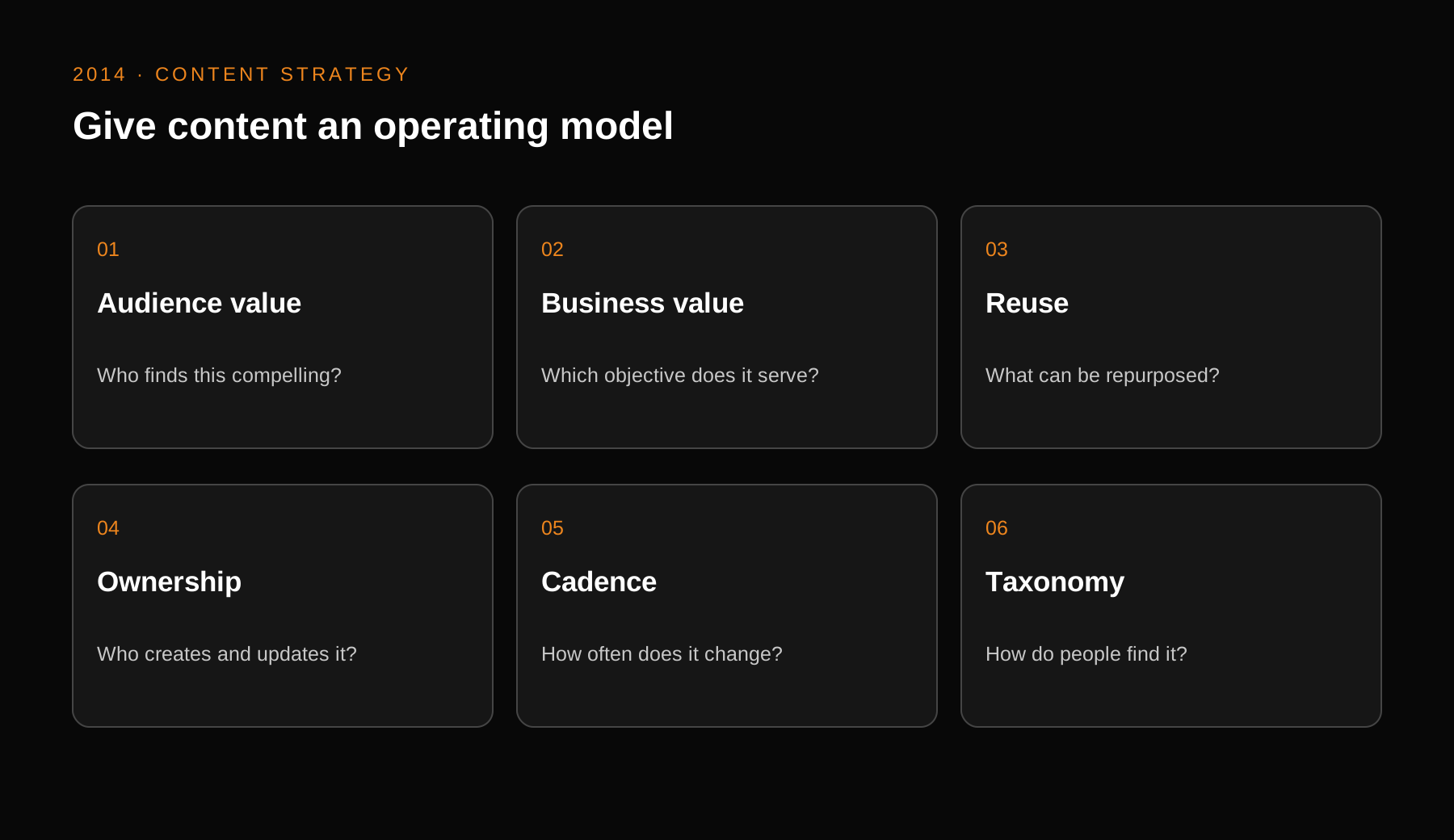
Turn the content audit into decisions
We began by reviewing the content already available, including digital material that could be reused and new sources that were worth developing. This difference was important. Magazine stories, kiosk content, videos, interviews, and future digitization each offered unique value and needed different levels of investment.
I focused the content discussion on what mattered to each audience and why it was important, then turned those ideas into practical steps. Who creates and updates the material for each group? How often does it change? What makes it hard to use? Which formats and channels actually work for the people who need them? These questions helped turn the inventory into real decisions about effort and ownership.
Taxonomy was also important. Enthusiast channels, the archive, and different audience groups needed a shared way to group and describe content. Categories, summaries, and artifact descriptions could serve as helpful entry points into the collections. The goal was to create a structure that people could understand and teams could maintain.
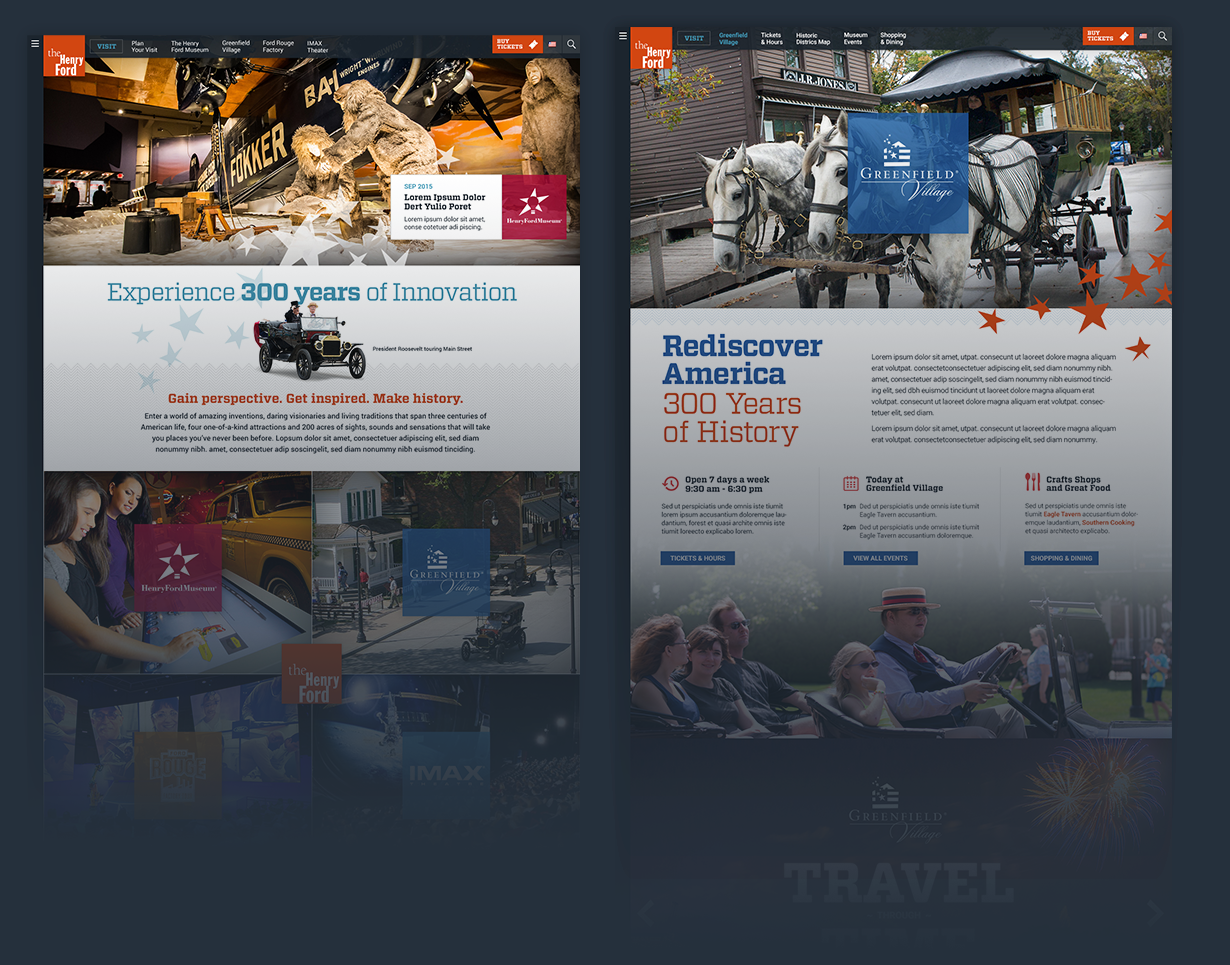
Connect the footprint into one ecosystem.
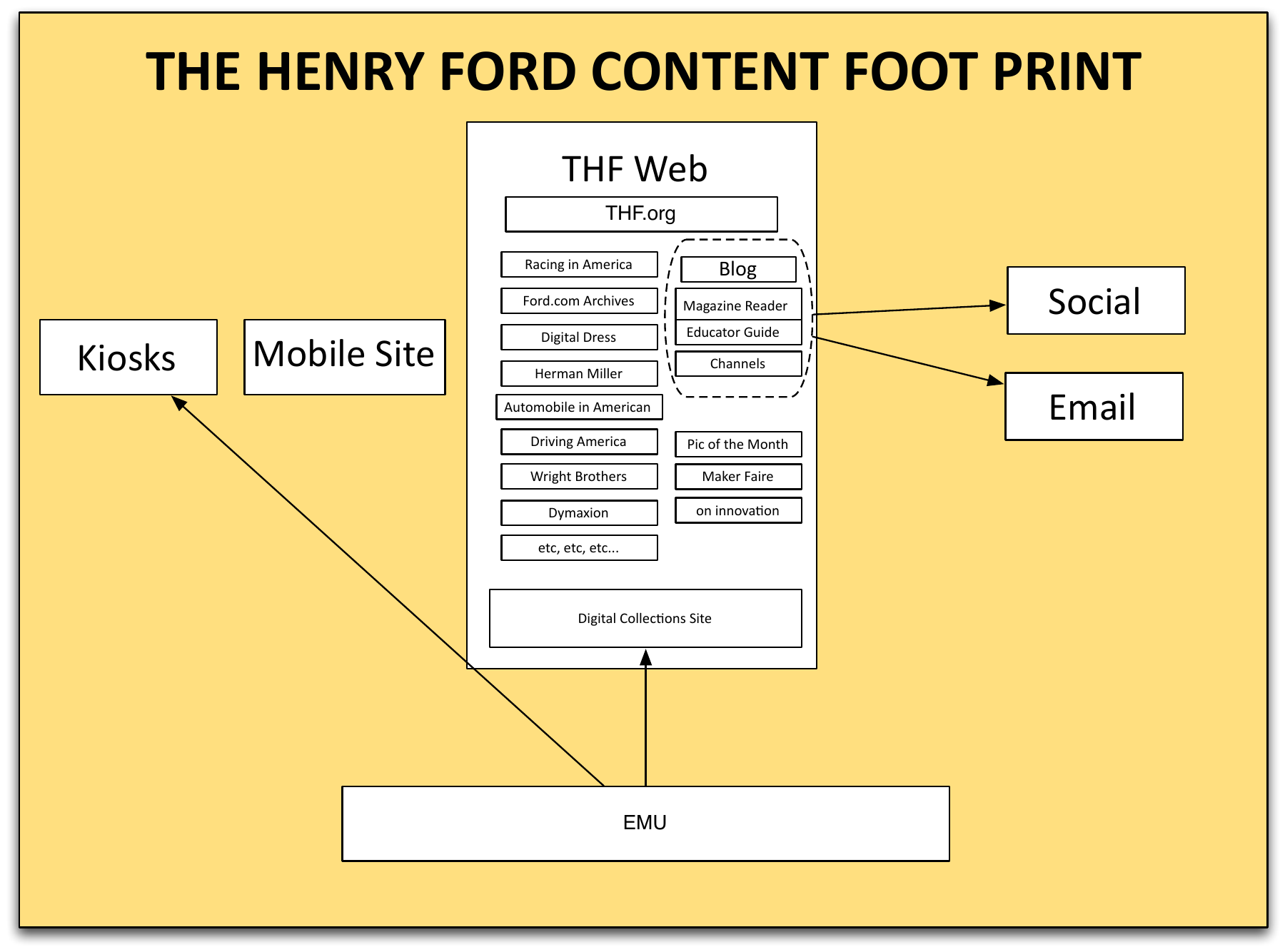
The original digital setup spread the experience across many sites and formats. The main website was joined by collection-specific microsites, a separate mobile site, kiosks, blogs, channels, and educational materials. Social media and email shared content further. The institution’s range was clear, but its parts needed a stronger structure.
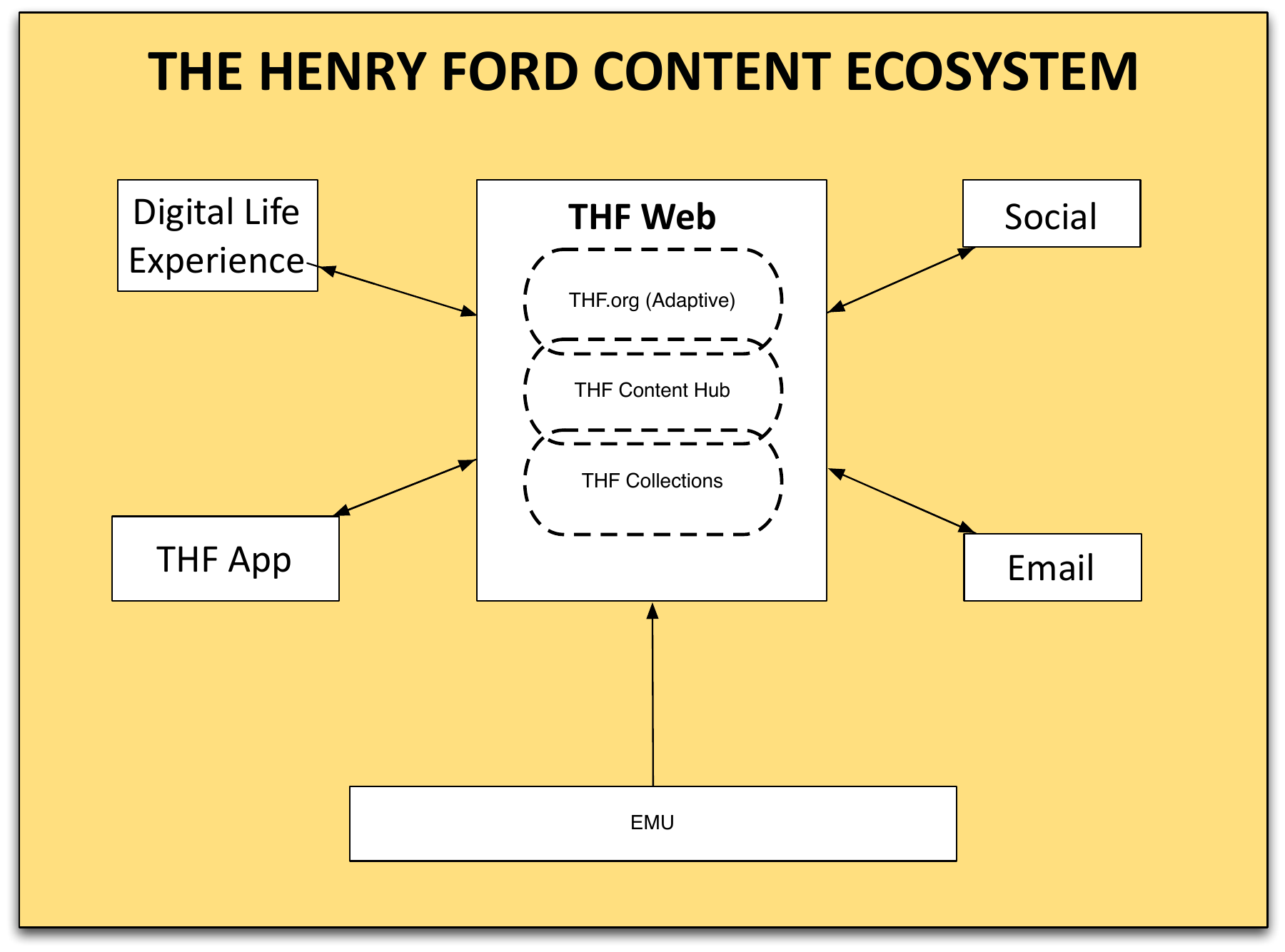
The proposed model combined an adaptive website, content hub, and collections into one web ecosystem. The collection-management system, EMU, supported this shared foundation. Digital Life, the app, social media, and email all connected to it, giving both physical and digital experiences a common content center.
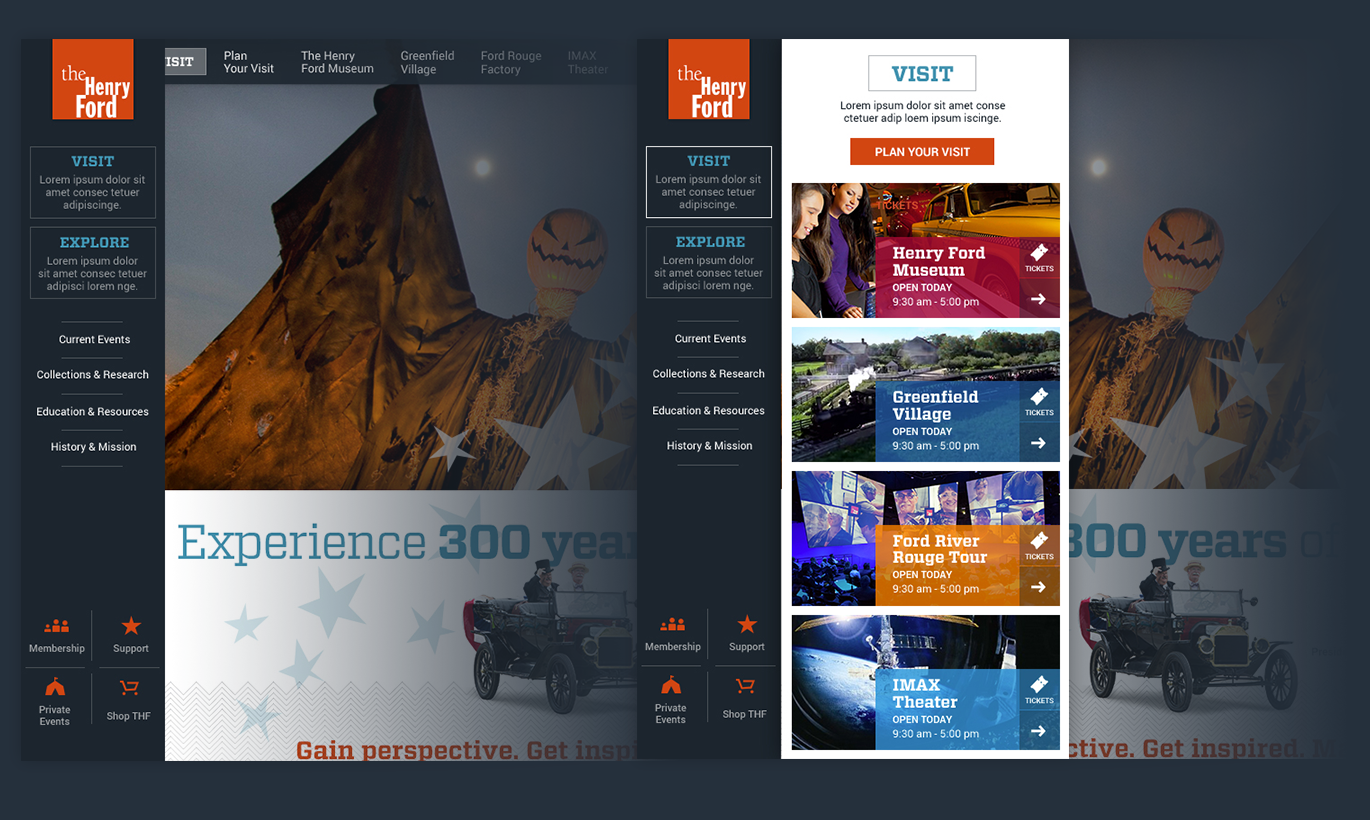
Making content easy to find was a main reason for this change. We suggested improving the main website and giving each attraction its own clear information page. Well-organized content could help people explore topics, understand what’s offered, or decide to visit. The goal was to create a clearer path from curiosity to the collections and from information to planning a visit.
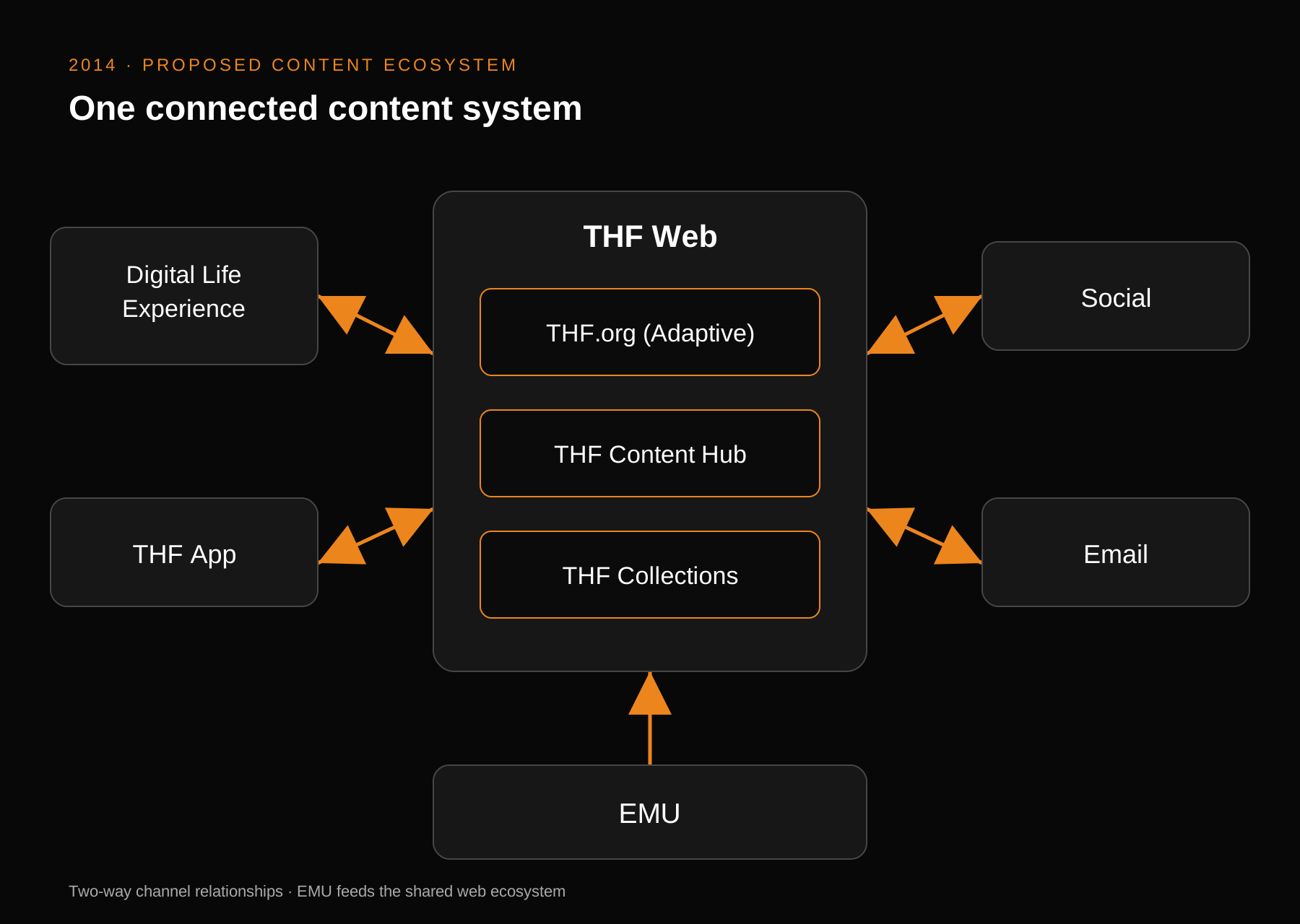
One content center, connected channels
THF Web brings together adaptive THF.org, the content hub and collections. EMU feeds this shared center.
Digital Life Experience, the THF App, social and email each connect to the shared web system in both directions.
The 2014 content footprint and proposed ecosystem
Follow curiosity from television into the collections.
Innovation Nation was part of The Henry Ford’s broader 2014 plans. Hosted by Mo Rocca, the show connected modern inventions to the museum’s mission. For the digital strategy, television brought up a practical question: where does someone go when a story makes them curious?
We considered Innovation Nation, visit planning, events, and special interests as possible reasons people might search the site. Someone coming from a TV story might look for a specific artifact, a related topic, or a way to explore the collection. The content structure needed to give each of these goals a helpful place to start.
That thinking connected audience development directly to the content system. The museum could welcome a quick question, offer a deeper story, and make the larger collection easy to discover. The website’s job was to give curiosity a place to go and a reason to keep going.

Give the stories reusable building blocks.
The 2014 strategy aimed for an integrated network of content and a clearer approach to the collections. The main idea was simple: organize information so it can support many different experiences, while keeping the institution’s knowledge and context intact.
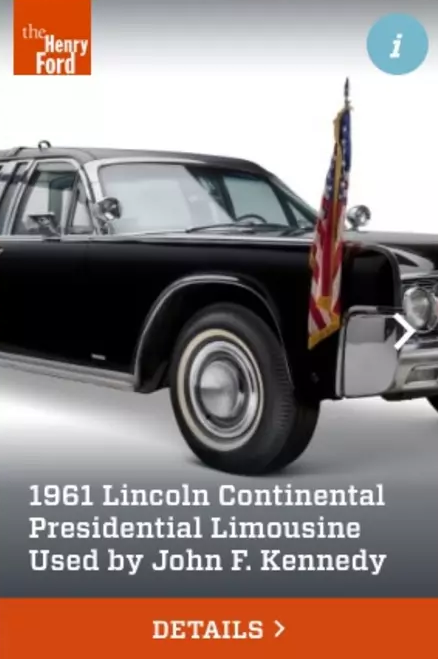
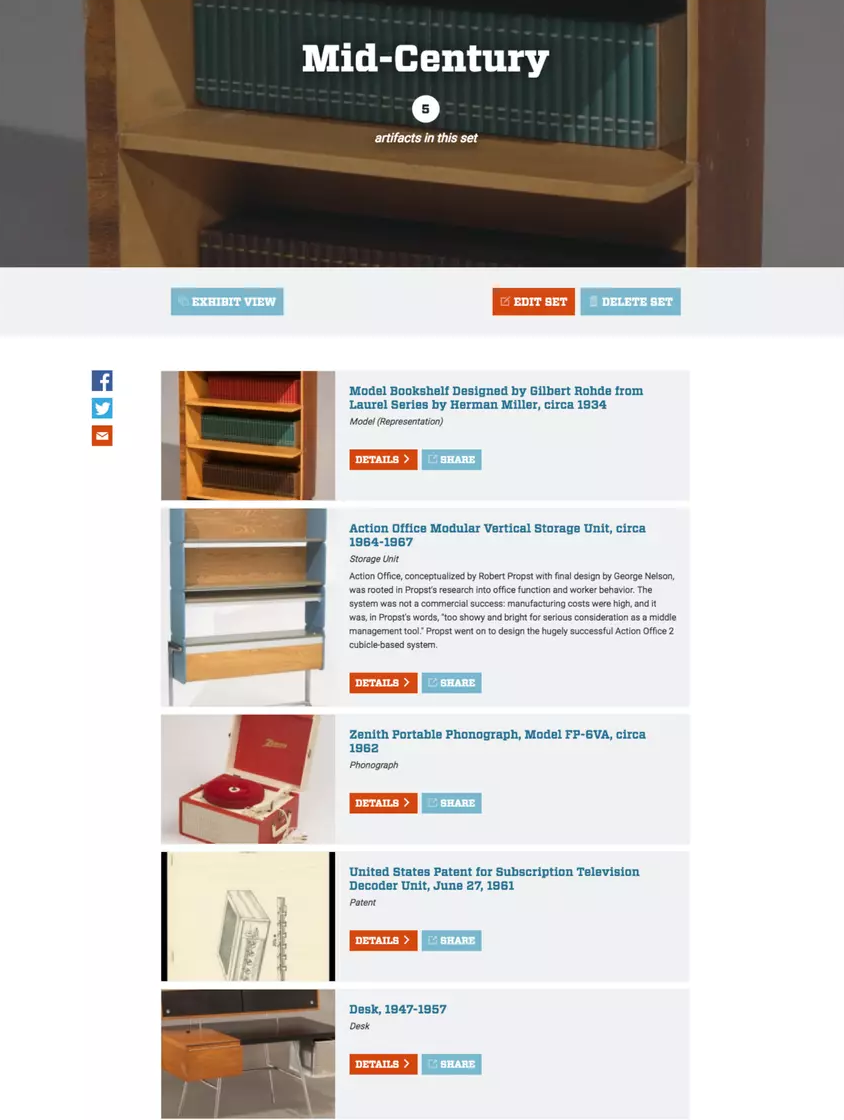
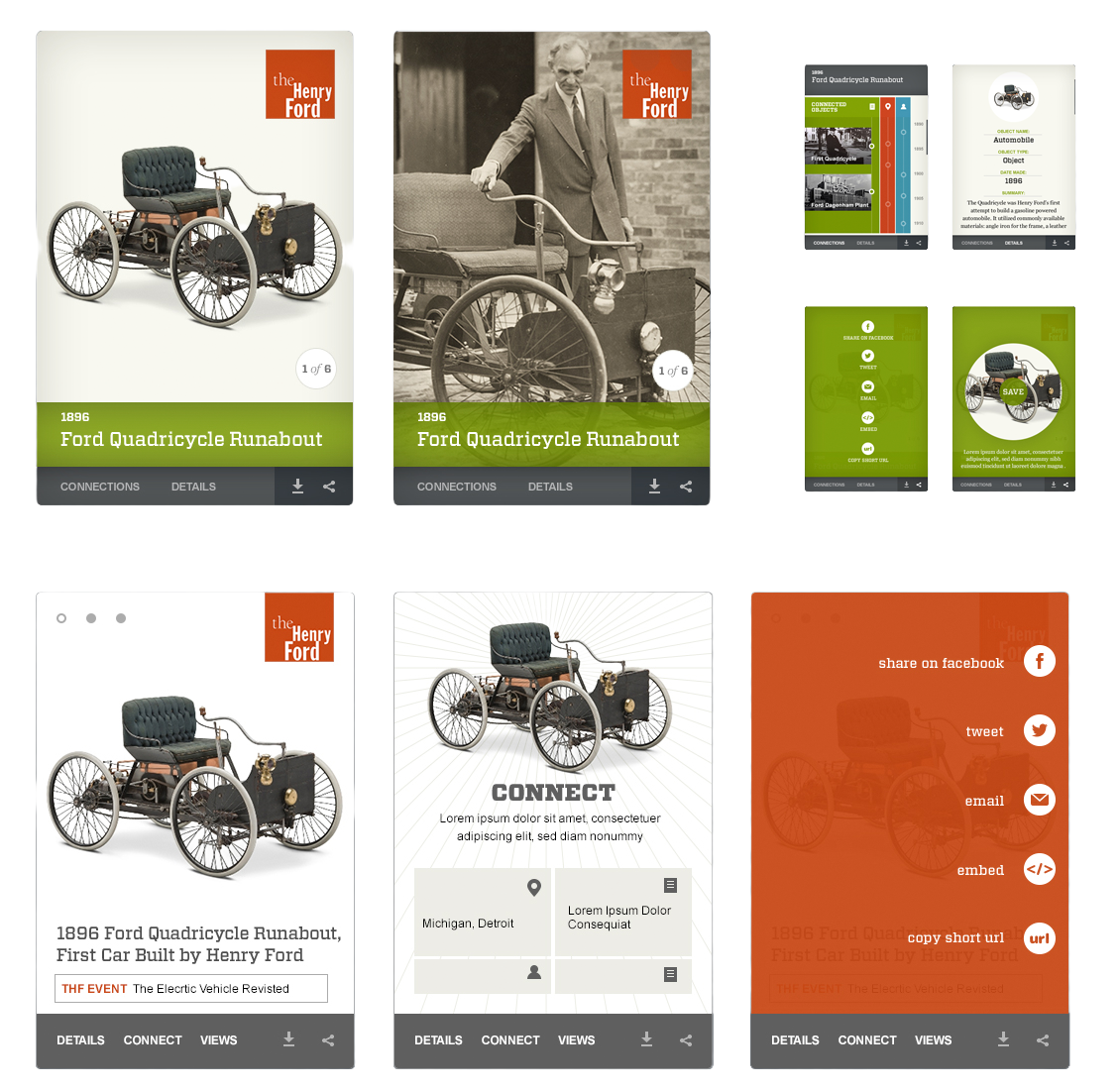
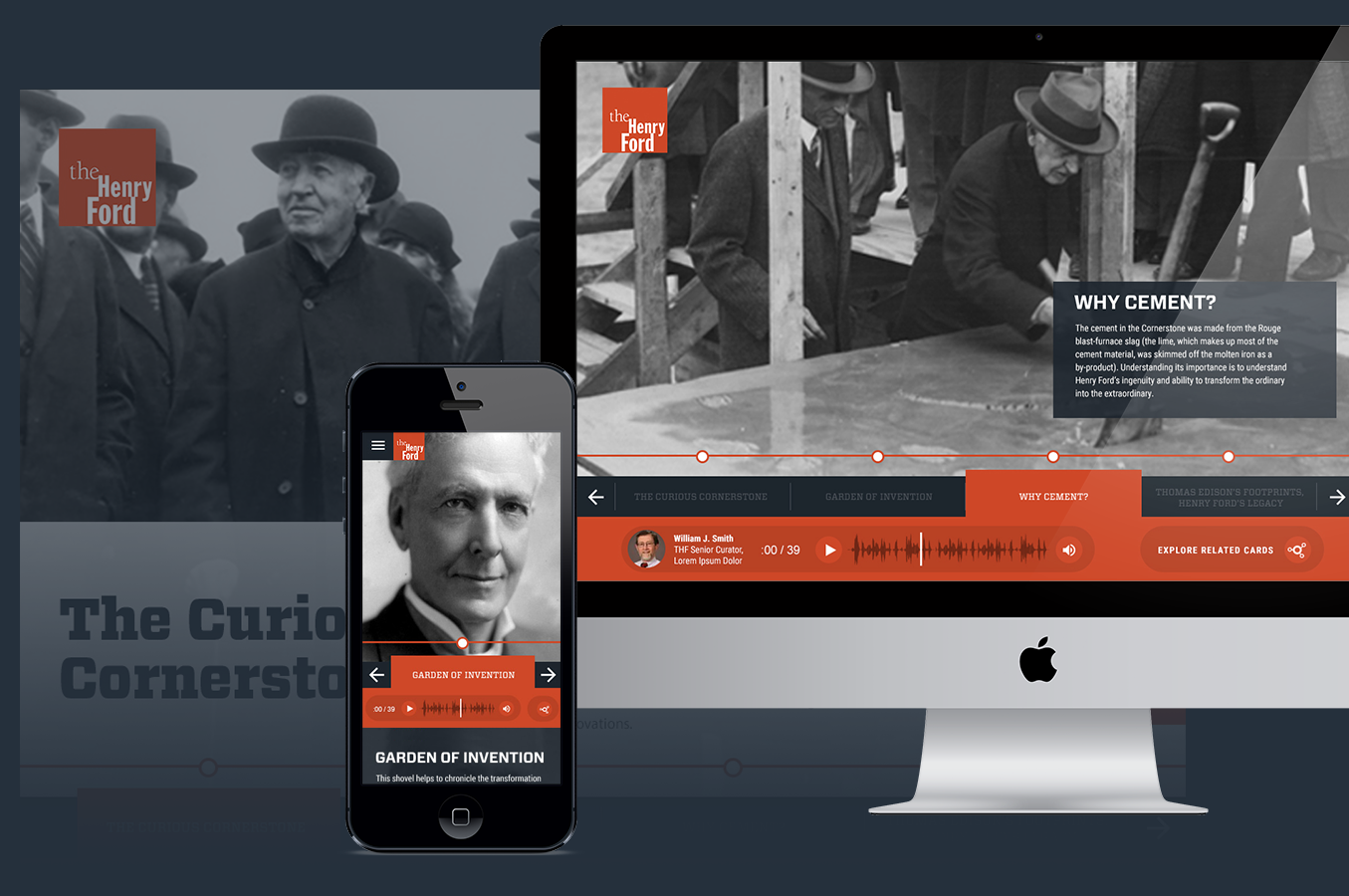
Later examples from Perficient and The Henry Ford team showed how reusable content worked in practice. Artifact cards included key metadata and media in portable, shareable units. These building blocks supported long-form stories and videos that connected artifacts and stories relevant to the moment. The content engine allowed the museum to keep publishing and interpreting its collection.
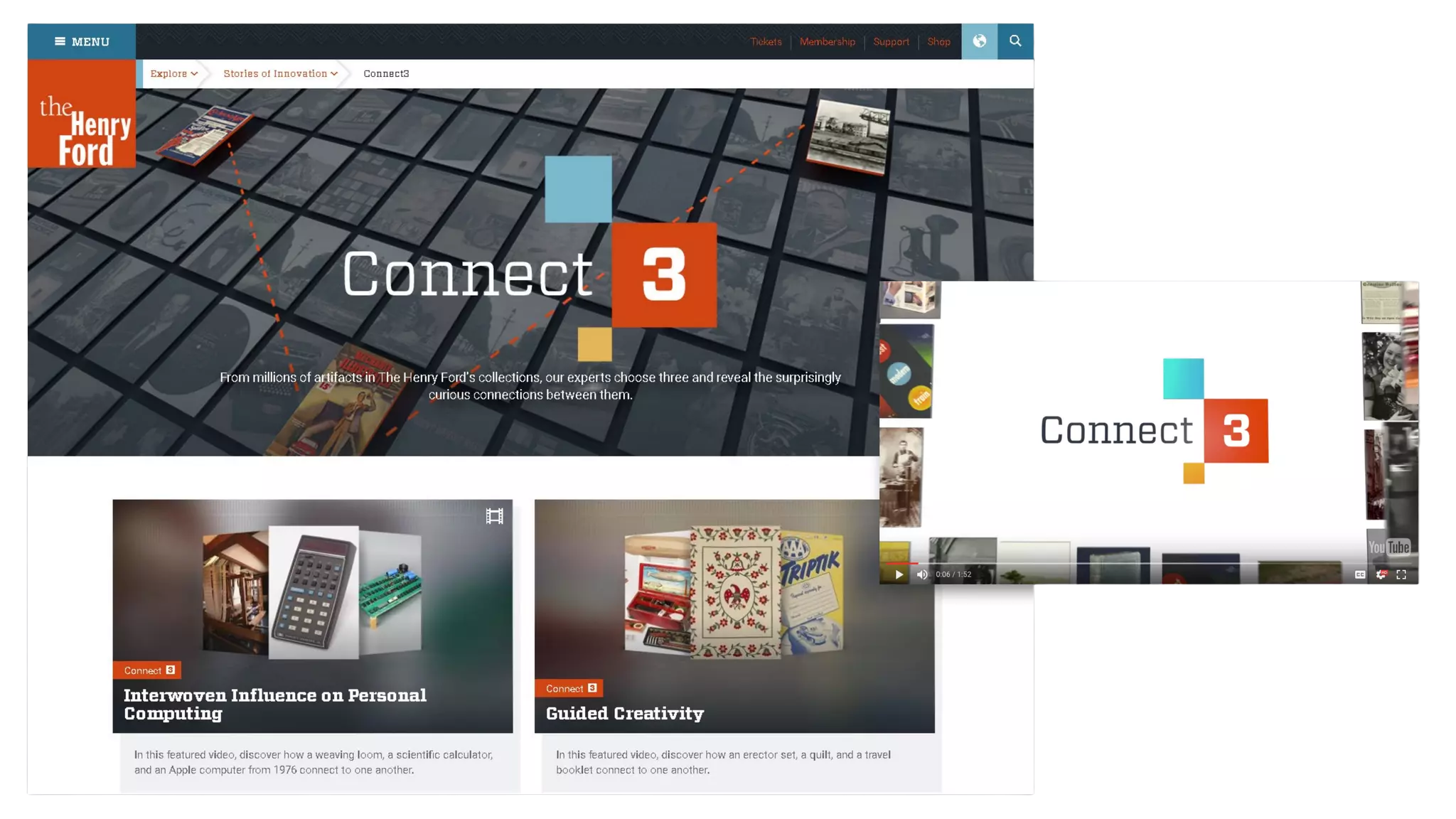
Connect 3 is a great example. Experts pick three artifacts and show a surprising connection between them. Personal collections take this further by letting people save and share their own sets. The institution shares its expertise, and people find new ways to explore and make meaning from the material.
Make the operating model part of the strategy.
A content strategy shows its value by making it clear what to invest in, how to organize it, and who is responsible for it. For The Henry Ford, this meant linking messaging strategy, content gap analysis, and a development plan. The plan needed to cover creation, review, resources, and the on-screen experience.
The recommendations recognized that content needed input from different departments. Each department served different audiences and goals, so shared categories, clear ownership, and a steady publishing schedule were key to the digital experience. The operating model helped the system keep working as the content grew.
My role was to bring these questions together into a clear product and content direction: the museum’s mission, people’s reasons to engage, the system that connects the material, and the responsibilities behind it. This approach is still central to how I work. A good experience comes from decisions that help people, content, and technology work together.
Role and collaboration
- Product + Content Strategy Lead · Enlighten · 2014
- JT Anderson
- Experience and content collaboration
- Enlighten team
- Client collaboration
- The Henry Ford
- Later team delivery
- Perficient and The Henry Ford
- Later presentation contribution
- Krysta Stone · World Information Architecture Day 2017